

It’s been almost three years since I moved from Italy to Vancouver, and I am about to move again and embrace another cultural shock. This time I’m moving from the super progressive and green West Coast to Montreal, a French speaking city said to be really “similar to Europe”, whatever that means. I reflect on my first three years abroad as a memento for my future self.
I am an immigrant in this country. Many would call me an expat: thanks to my husband’s high skilled job I moved from Europe to North America and I was granted a very good visa. I’m white and when I speak my accent is sometimes mistaken for Quebecois. I have all the prerequisite to be an expat, but calling myself so would mean to validate and reinforce a privilege that I acquired by chance and not by merit.

Montreal, for all it’s legacy and character, is a revolving door of people and restaurants.
One of my chef friends moved to Hamilton, and I became the beneficiary of most of her
commercial grade, industrial size odds-and- ends, including a 5 gallon bucket of honey.
Having read the opening chapter to Sandor Katz’ Wild Fermentation, I knew that mead
was a relatively simple affair: honey, water, and time. I diluted the honey with water
(making quite the goopy mess) and let the ambient yeasts do the rest. As I was tying off
a piece of fabric to the bucket’s opening, I thought about the rituals and environments
that shape and surround fermentation. I started thinking about what else goes into
ferments.


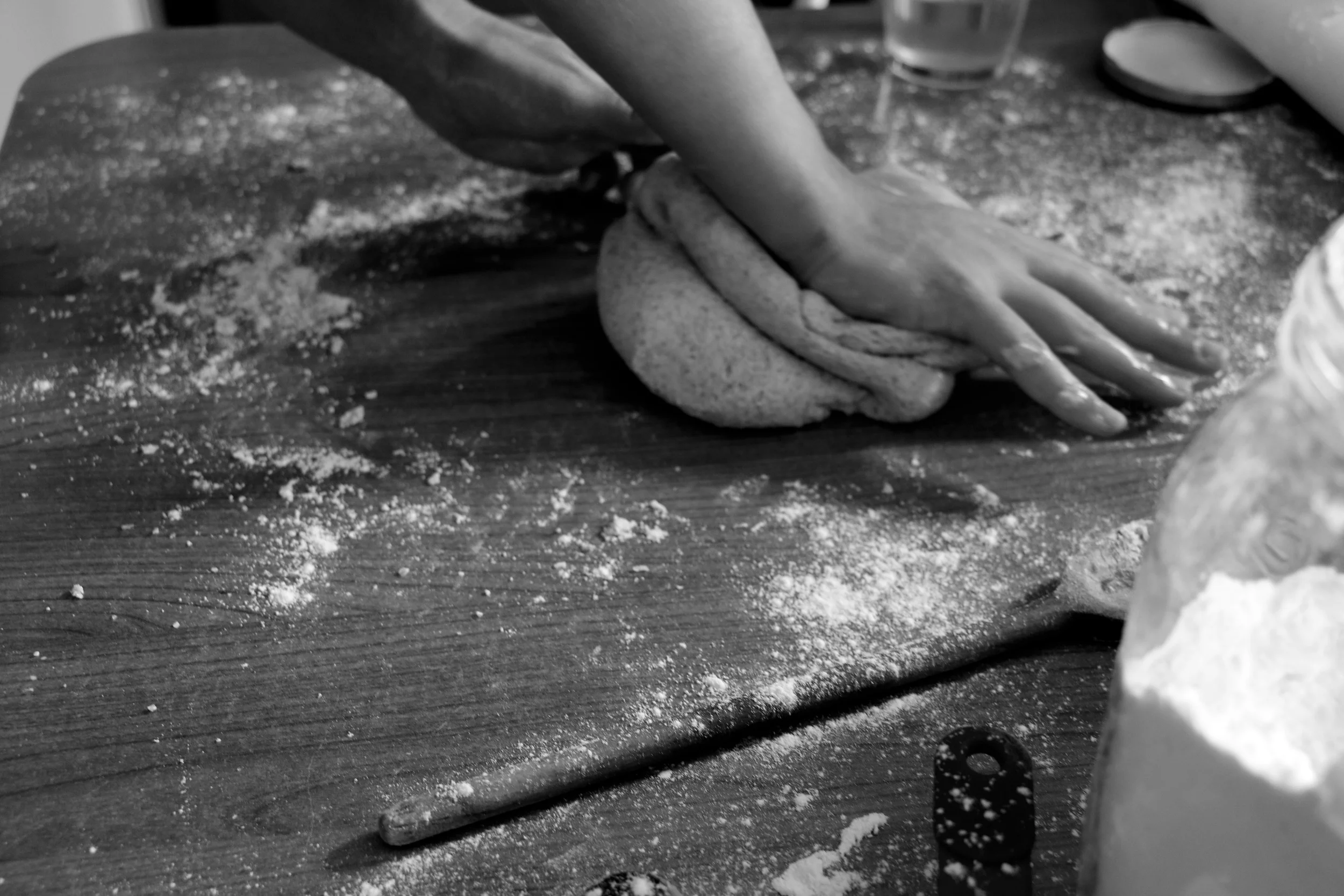
What started as a small swirling gesture with her two fingers gradually involved her whole body as more and more of the flour was incorporated into the dough. I stood there, mesmerized, because it almost looked as if the dough was moving her.
Then, I tried my hand at kneading, noting the visual cues and memorizing them in my hands. Like an earlobe to the touch, I thought.
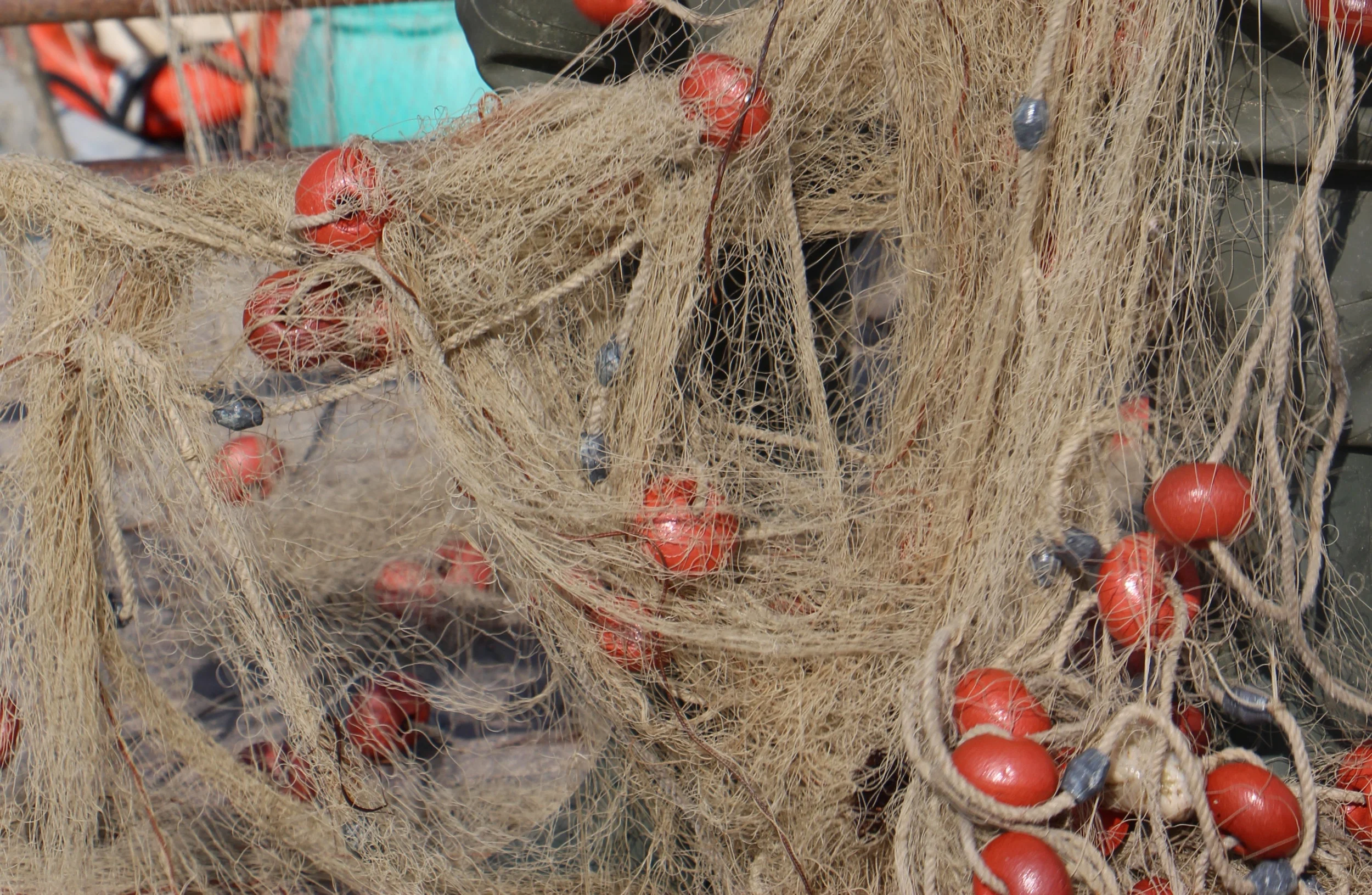
The morning fish market in Noli, a small town on the Ligurian Sea in northwest Italy, is not a bustling affair. A few fishers stand around their tables, which are nearly empty by 10 a.m. “There are no fish [in the sea],” fisherman Vittorio told me, sitting in front of the market in his bright yellow waterproof overalls. “We were four or five boats out on the sea this morning, and by 10 or 11 a.m. there is nothing left to sell.”
The small-scale fishers use a variety of fixed nets, usually setting them out in the evening and pulling up their catch the following morning. There has always been year-to-year variability in the catch, but the last few years have seen unprecedentedly low levels of fishing in Noli. “It has changed slowly,” Vittorio said. “Twenty years ago we caught much more.”

Traditionally, coastal fishers could “read” the weather by watching the sea and feeling the winds. They knew which direction the wind should blow and when the seasonal storms should arrive, and what those particular conditions meant for the behavior of the fish. This knowledge was gathered from year-round observation of the environment, and it was fine-tuned and passed down through generations. But when climate change interferes with the seasons and we can look up the weather on the internet, does this traditional fishers’ knowledge become obsolete?

Emily: What kinds of environmental changes have you noticed in recent years in Orbetello?
Massimo: The defined seasons—autumn, spring, summer, winter—do not exist like they used to. Winter comes and, by March, summer has already arrived. Sometimes we have a summer where the heat never breaks for months on end. For the last six, seven years the fishers have been discouraged. The reference points that we have come to rely on—the progression of the seasons and the presence of certain weather events—are no longer reliable. The relationship between fisher and lagoon has completely changed.

Over time, particularly in gastronomic culture, traditions often go one of two ways: they become a national symbol, or they are niche customs at risk of disappearance. Fishing, for instance, comes in many forms: trawling, nets, poles, and longlines, all recognized as traditional methods. However, on the southern coast of Belgium, there is a popular knowledge of fishing for shrimp on horseback, nothing to do with the centennial history of beer, chocolate, and frites that we often associate with the little country. Every Belgian is proud of these three gastronomic traditions, which remain in my mind after the six months I spent in Bruxelles, but no one told me about the tiny shrimp.

I pulled the rooster from the boiling water and flopped its body on the table. Grabbing a handful of feathers, I tugged gently and they came away from the flesh with a quiet pop. Before thinking, I said it out loud. “It feels satisfying to tear the feathers from the skin.”
Perhaps the comment was off-color given that the animal had been running around just moments before, but it didn’t feel like an animal anymore.
There is a clear moment for me when a slaughtered animal passes from a previously living creature to an object of fascination with the way boiling water removes feathers and layers of skin and hair. Part of this is pure curiosity and an affinity for manual tasks, but the transition from life to specimen is also a fundamental shift that allows this bird to make its way into my oven, and later my stomach. My rooster is no longer an animal, but an assemblage of flesh and bones on its way to becoming poultry.
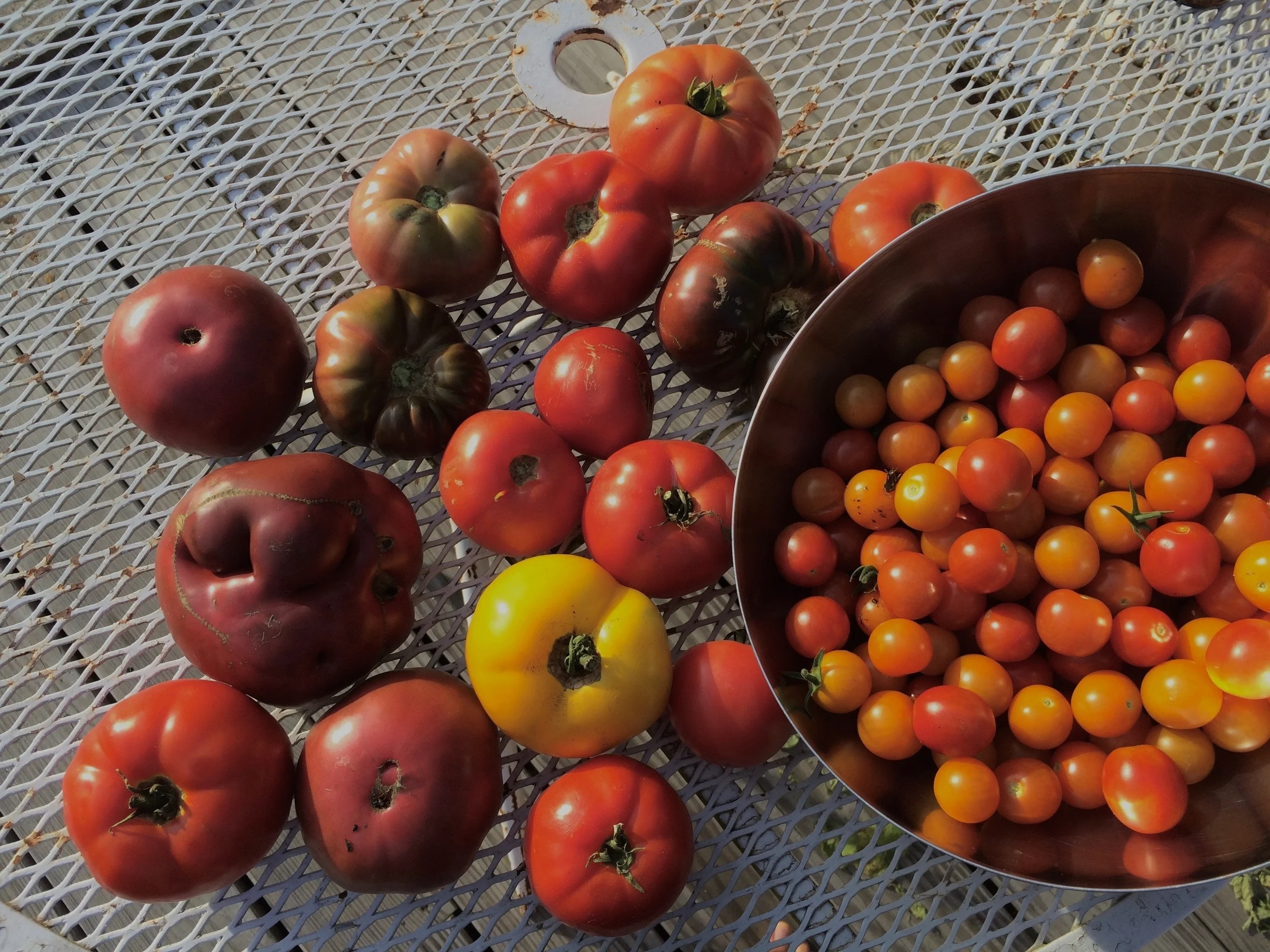
I can spend hours poring over cookbooks and online recipe variations, trying to figure out what to do with that 3-foot long squash I have on the counter or the 20 zucchini in the fridge. I love spending all morning making blueberry jam from the plastic bag heavy with blueberries just-picked from the neighbors patch, singing along to Alison Krauss, then pulling a loaf of bread out of the oven and making a grilled cheese with the jam to eat on the porch alone. Winter has been known to find my pantry shelves full of jars upon jars of canned, pickled and jammed summer bounty made during long days alone in the kitchen.
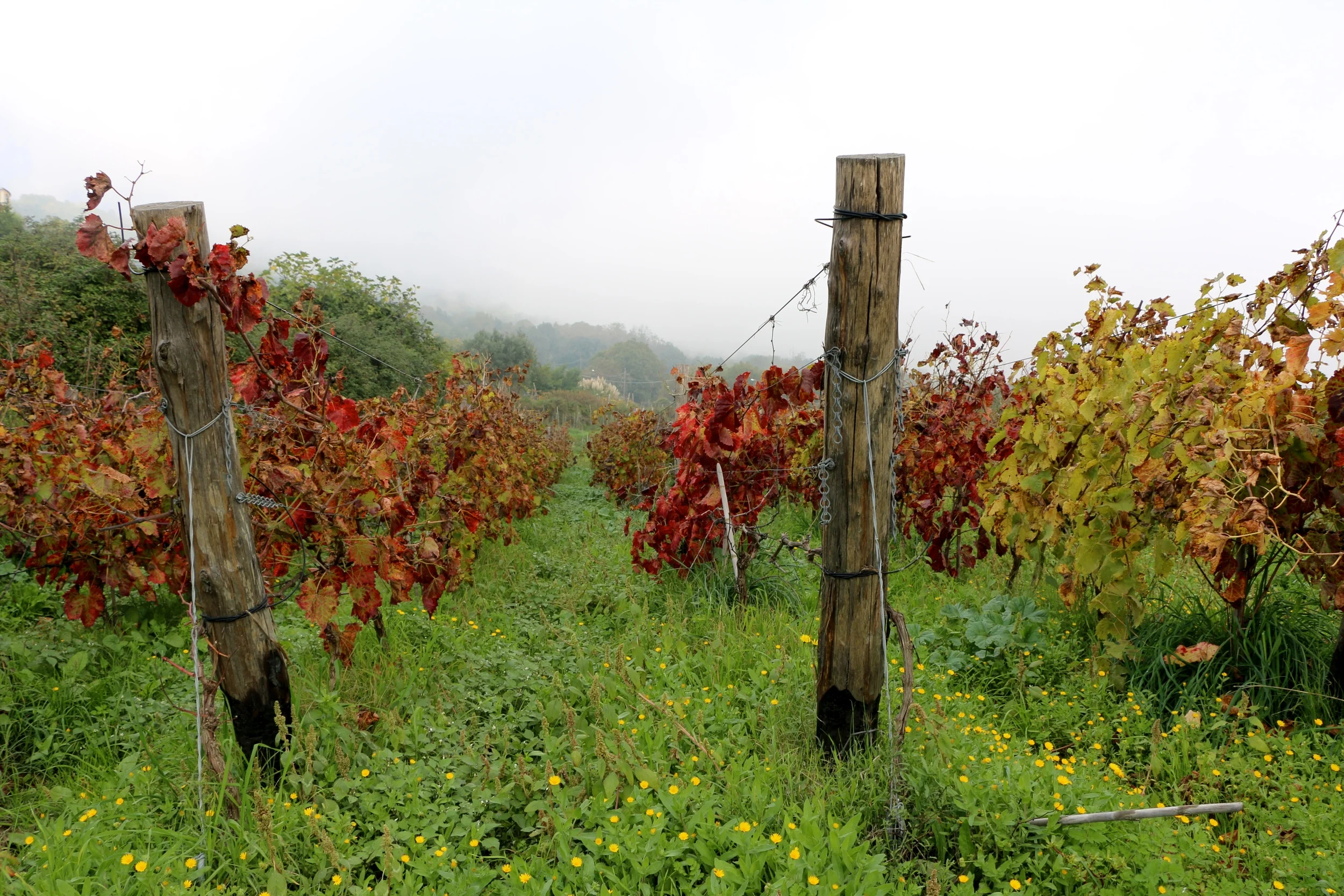
A thick, Ischian fog blanketed the vines, as it often does, arriving from the nearby coast. We followed the man through his vineyard rows. The leaves on the vine were crisp with vibrant fall colors. The man, Pasquale, stopped us as he knelt down to take a handful of the soil. His soil. Proudly showing us the nutritious microbial life in the soil, he quietly began telling us the story of his family's vineyard.
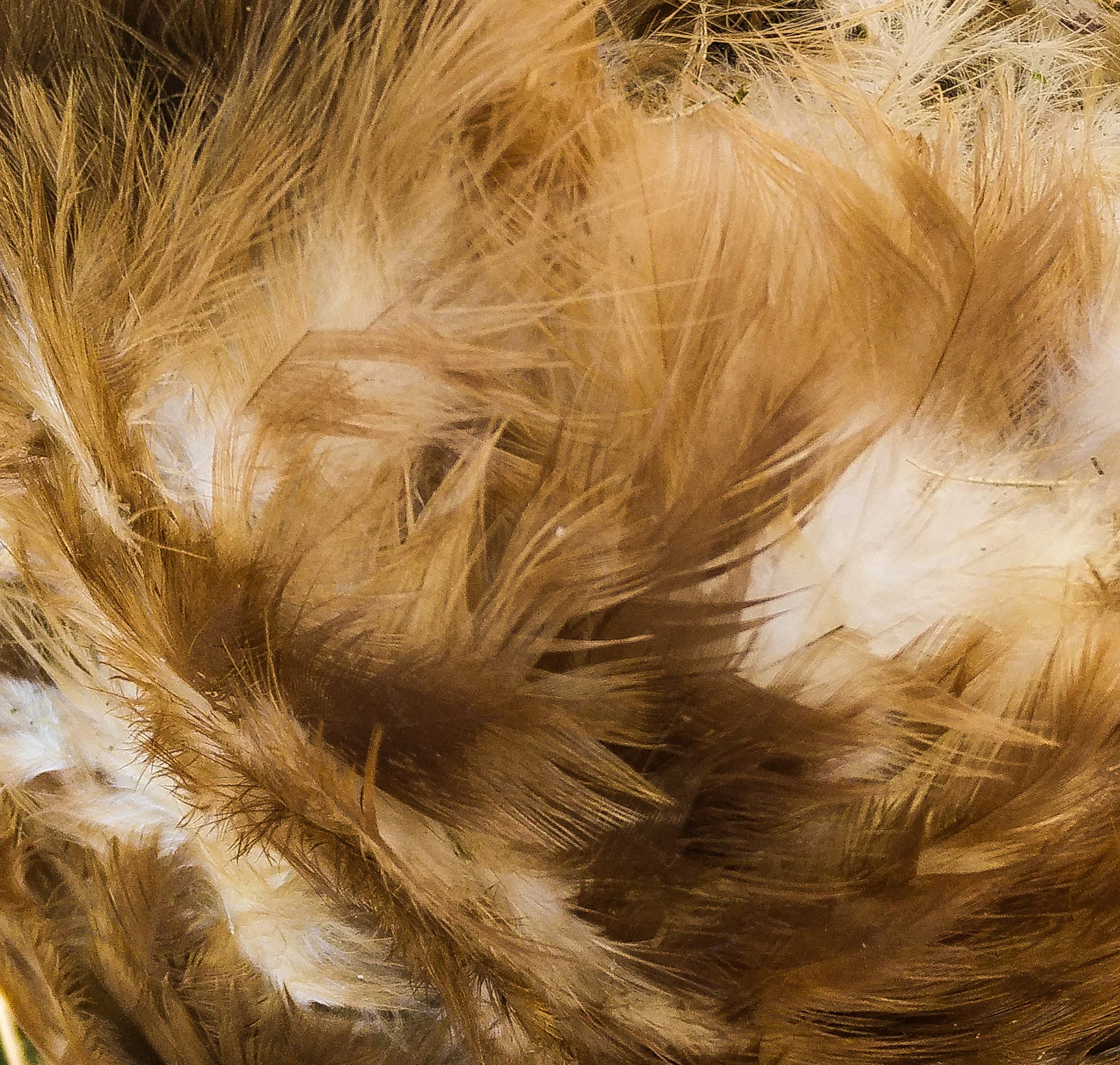
My head and my hands don’t agree. Even after washing them with soap, I cannot rid my hands of this smell, which is a cross between damp, wet sand and dander. I had just slaughtered a chicken and used its flesh to prepare lunch. The meal was delightful and especially memorable because it was my first time actively taking away the life of another for the sake of my own. Psychology has a term for this—cognitive dissonance—but this feeling of unrest runs deeper into my primal sense of being, and I’m still coming to terms with what I’ve just done. While I’m washing the dishes, the chicken bones are still simmering on the stove. I stop to compare the acrid smell of my hands to that of the bubbling stock.
No, these are two separate smells. One belongs to chicken, the other to poultry.

Upon entering, he warned us of the smell. At first I thought it wasn’t so bad, but then the scent of fermenting anchovies and salty air burned my nostrils and back of the throat before settling deep in my lungs. The room we entered had fluorescent lighting and white tiles and I felt an urge to turn around back into the warm Amalfi sunlight and fresh sea-sprayed air. He ushered us into the cavernous facility with a warm smile and kind eyes and I figured I was willing to stick around for a bit longer. We walked past a man carefully labeling and boxing jars of alici and into a room where small wooden barrels were stacked as high as the ceiling. It seemed as if we might be in the hull of an old pirate ship — stench included — the barrels had been crusted over with salty remnants, making them look more like my 2nd grade science project than containers of a substance fit for human consumption.

Nino is the master farm keeper, a full time volunteer at Società Gastronomica, our student farm. A white-haired, white-bearded man in his mid seventies, Nino could easily be mistaken for a character in an 80s southern Italy mafia movie, except that he has “grown shorter and shorter, and bigger and bigger in the width” he says, rubbing his belly while lighting up a cigarette. He is there at the farm every single day, as early as 5 am in the morning, taking care of all the different vegetables and fruits we grow and managing the compost day by day. You will even spot him on a Sunday morning, slowly walking through the vegetable rows. I only found this out when I went early to have brunch there with some friends. “Nino, but it’s a Sunday?!” He just replied, “Silvana mi ha spedito qui. Oh, Silvana just sent me here,”referring to his beloved wife. Although it was pretty obvious he came to examine if the fruit trees were doing okay after a rainstorm the night before.

The schiaccia di patate – in English it could be mashed potato cake – is made with golden raisins (sultanas), pine nuts, sugar, olive oil, flour, salt and, of course, potatoes. I can’t remember if I ever ate something like this before. We tasted it the first time when we had dinner with some members of Slow Food Giglio in a tiny cellar where they used to produce wine. The town’s priest was with us too, and he almost finished all the wine by pretending he was at the Mass. We ate Giglio’s typical dishes: sausage, fish, tuna and, finally, the schiaccia. When they told us the main ingredients, I was a bit skeptical about turning potatoes into a sweet dish! But after the first bite, I was completely captured by the flavor and balance of the ingredients. The intense flavor of the potatoes matched with the olive oil and the uncountable quantity of sugar, and the pine nuts gave just the right crunchiness. The raisins, which I normally don’t like very much, were smartly hidden throughout the dough. There is no pastry in it, only the six, well-combined ingredients. The flavor of the potatoes, the yellow color of the dough - darker on top where the sugar and the pine nuts caramelized, and the little burnt sweetly crunchy corner were the ideal mix for the end of that dinner.
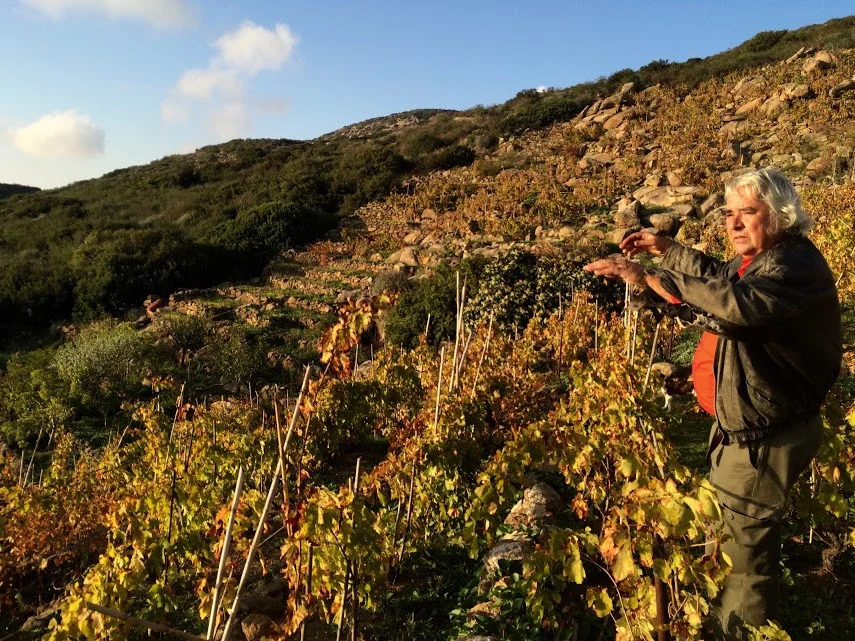
Sprinting back up the slope after a refreshing November swim off the cliffs surrounding the lighthouse of Giglio island, I meet my classmates, who seem lost as our guide is missing. We’re late. Moments after, our guide emerges through the trees to shepherd us to our next visit. Sweating, panting, and covered in salt water, I enter the vineyard below. A white-haired man greets us with a beaming smile while picking lemons for us in his garden. His bright red dress shirt with small black polkadots makes him stick out like a large ladybug in the surrounding sea of green. As we walk down to meet him, we are received by his older wolf-like hound with the bark of a heavy smoker and his tiny mutt, who we quickly realize is blind. Escorted by his trusty watchdogs, we find him in a decaying white stucco farmhouse with a stone roof and bright green door. He is chopping his lemons and mint to place in glass jugs of water for “his thirsty daughters” as he dubs our group of all women, automatically making us family.
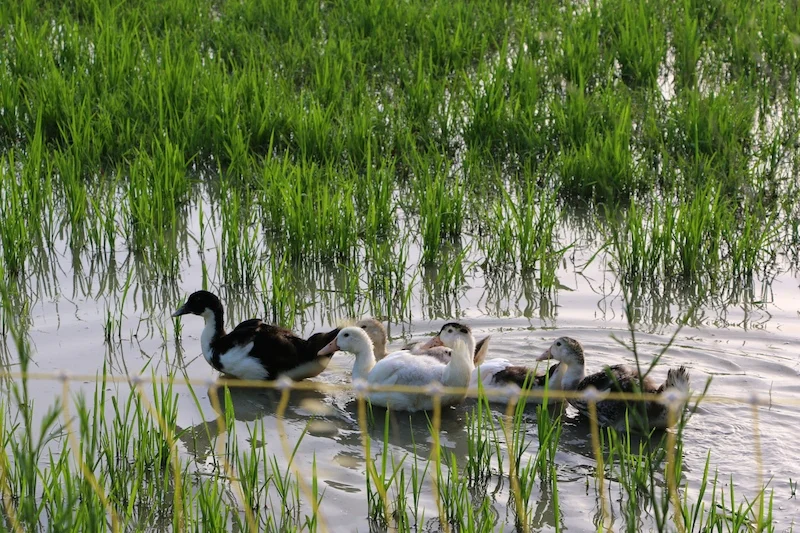
"The mosquitos will kill you." This is the most frequent warning we received in Provence when we said we were going to visit a rice field in Camargue, at sunset. Camargue is a marsh, hard to live in for humans, but the right place to grow rice.
Passing through the paddies to arrive at Bernarde Pujol's s farm, we start noticing something unusual. Ducks swim through the rice rows, walk on the street, and crowd around the feeder, jumping on each other to get to the food.
I’ve had some pasta madre bequeathed to me a number of times. Each time from a different friend, but they were all from people with whom a trusted relationship developed first — so much so that to share the starter was emblematic of our friendship. As in, we had to get to the point in our friendship where we confided and delighted in each other’s food shenanigans, which included failures like the burnt, the rotten, and the woefully unsalvageable before we could talk ferments. Sharing fermentation starters was like sharing our insides.
Friendships might be hard to keep, but sourdough is harder.